
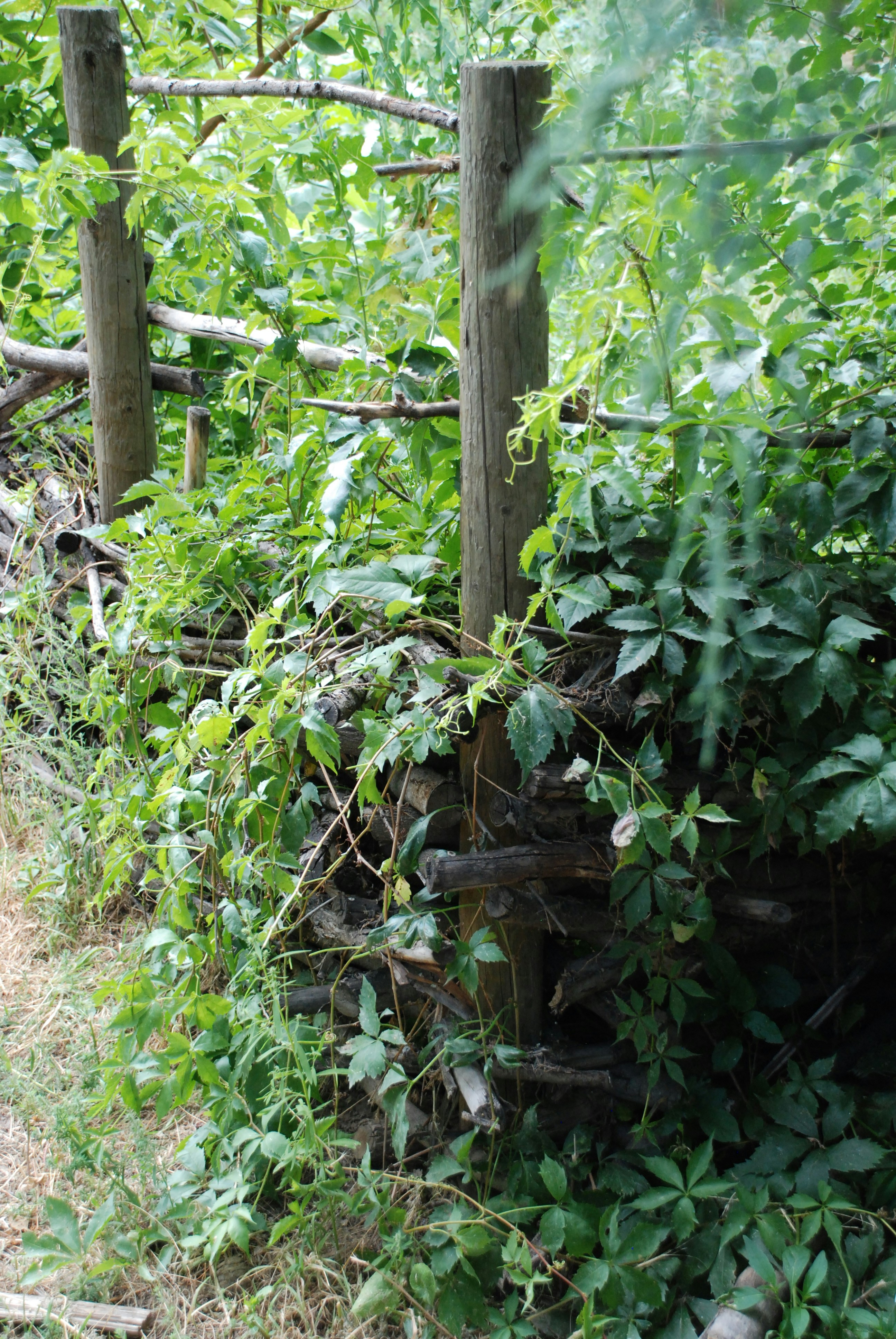
Every fence we build starts with what's underneath: your soil, your slope, your setback line.
We sink cedar posts into Seattle's rain-soaked clay, read the grade, pull the parcel map, and build something that outlasts the next ten wet winters.
Post-Set Cross Section · Seattle Frost Line
Seattle's frost line sits at 12". We set posts 24" deep minimum — more on slopes. Clay soil demands a gravel drain bed.
Posts sunk in Seattle clay
Years on the ground
Neighborhoods served
Permit-compliant installs
Cedar or composite?
The honest comparison.
Most installers push what's easiest to source. We walk every client through this table before we write a quote — because the right material depends on your lot, your budget, and how much you want to think about your fence in year seven.
Our recommendation for most Seattle lots: Western Red Cedar, pressure-treated 4×4 posts, Cabot Australian Timber Oil every four years. It's what we'd put on our own property.
| Attribute | ★ Western Red Cedar | Composite / PVC |
|---|---|---|
| Lifespan in Seattle | ✓20–30 years treated, 12–18 untreated | 25–40 years |
| Initial cost (6-ft privacy, 100 lin. ft) | ✓$2,800–$4,200 installed | $4,500–$7,800 installed |
| Rain & moisture | Natural tannins resist rot — still needs stain every 3–5 yrs | Fully waterproof, no staining ever |
| Appearance | ✓Warm grain, ages to silver-grey, can be stained any color | Consistent color, no grain variation |
| Repairability | ✓Single boards swapped at hardware store in 20 min | Matching profiles can be discontinued |
| Permit compliance (Seattle) | Standard — no special notes | Standard — some HOAs restrict colors |
| Carbon footprint | ✓Sequesters carbon, locally milled in WA | Recycled content, but higher mfg energy |
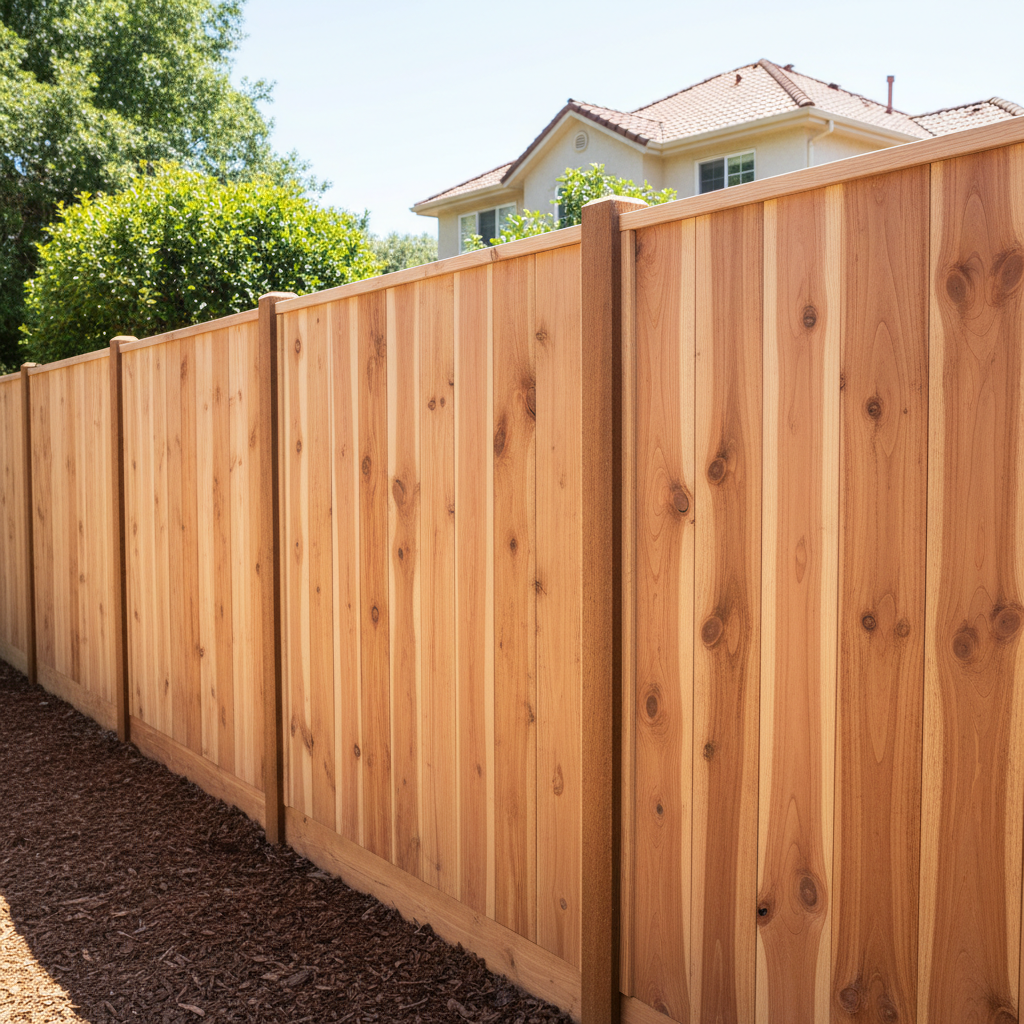
Tight-Board Privacy
6-ft cedar boards set flush, no gaps. Standard for Ballard back yards and Capitol Hill lot lines.
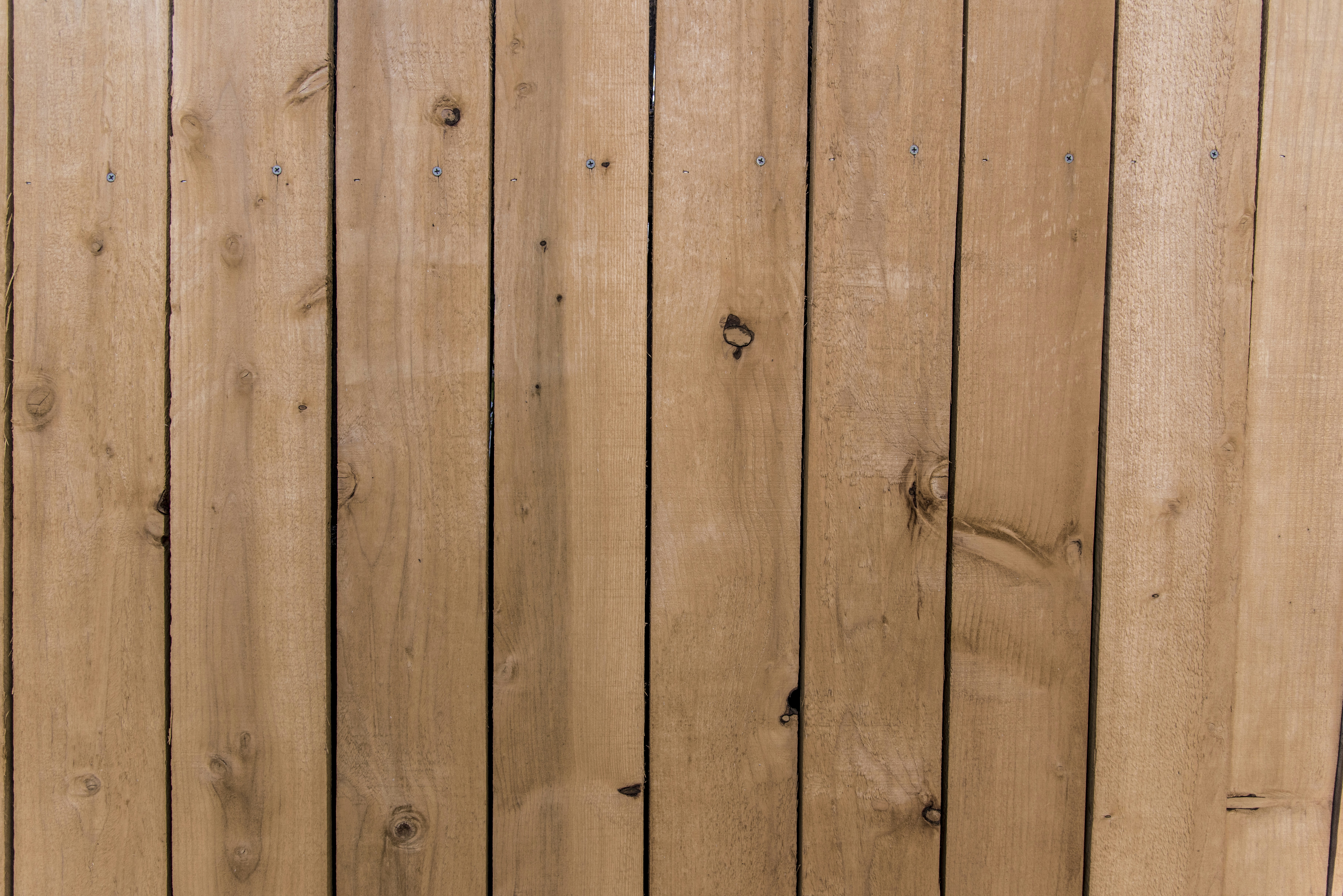
Board-on-Board
Alternating boards overlap 1.5". Solid privacy from both sides — common for shared property lines.
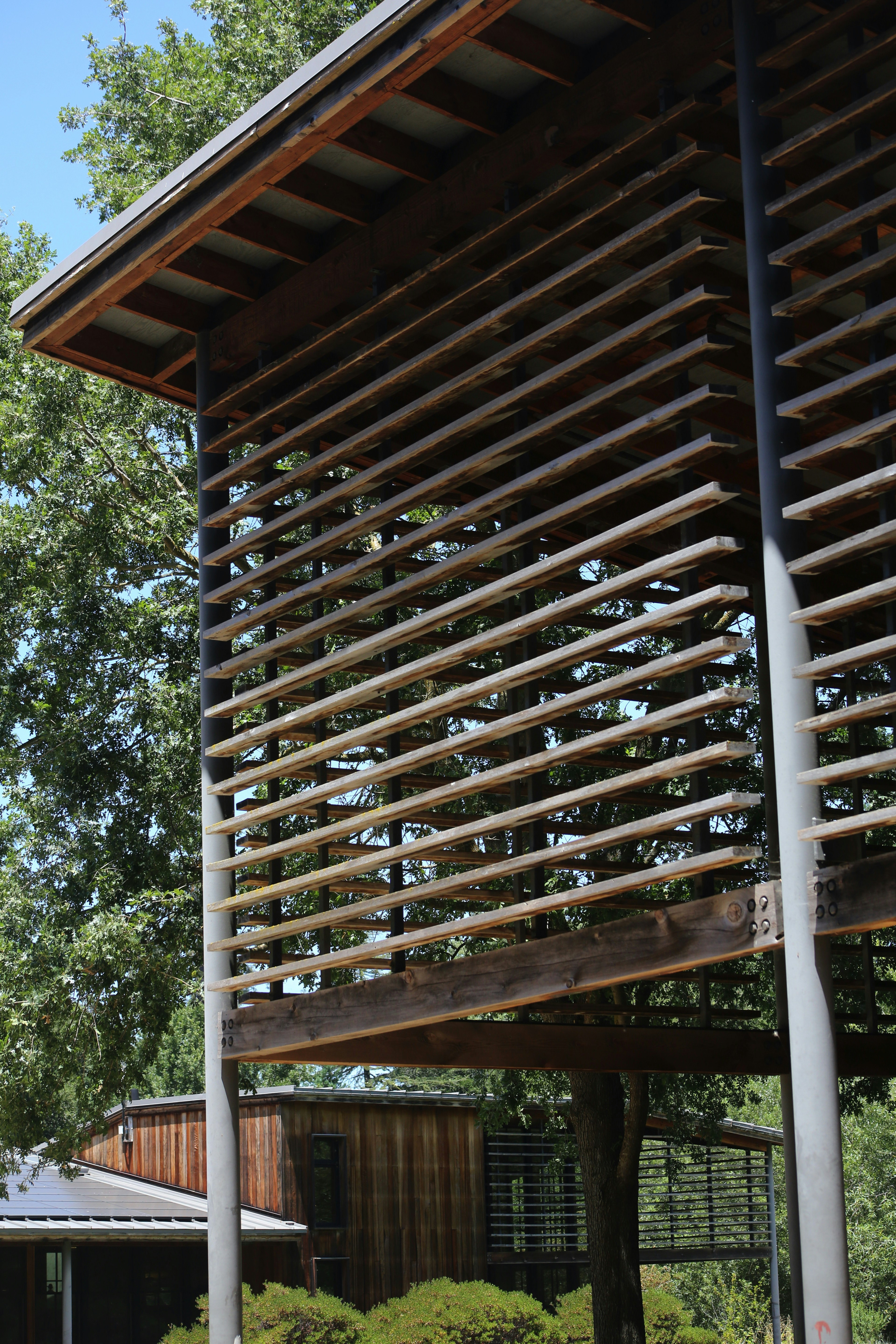
Horizontal Slat
Contemporary look favored by new construction in Eastside developments. Requires precise post spacing.
We pull the parcel map
before we pick up a shovel.
Every assessment starts with your property address. We cross-reference the King County parcel database, check setback requirements for your zoning district, and flag any easements before we set foot on site. No surprises at permit pull.
- ◆Setback lines— Front 6 ft, side/rear 3 ft standard — varies by zone
- ◆Height limits— 6 ft max without permit in most Seattle zones
- ◆Easements & utilities— USIC locates called before any digging
- ◆Slope & drainage— Post depth adjusted per grade — not a flat calculation
“The complexity builds with each scroll, from which style suits your lot to why post spacing changes on a grade — until requesting professional help feels like the obvious next step.”
What actually happens
day by day.
A 100 linear-foot cedar privacy fence, no permit required. Five working days from first shovel to final walkthrough. Here's every step, unedited.
Site Survey & Layout
We walk the perimeter with you, mark post locations with flags, confirm setback measurements against the parcel map, and photograph existing conditions. USIC utility locate is confirmed before this visit.
Typical duration: 1–2 hours on site.
Field note: What you do: Walk the line with us or leave a key. No prep required.
Permit Pull (if required)
Fences over 6 ft or on corner lots in Seattle require a permit. We submit the application, handle the fee, and track approval. Most residential fence permits process in 3–5 business days — we schedule your dig after confirmation.
Seattle permit fee: $75–$195 depending on scope.
Field note: Fences under 6 ft on interior lots: no permit required in most zones.
Post Holes & Setting
We dig with a truck-mounted auger where accessible, hand-dig tight sections near utilities. Each hole is 24" deep minimum — 30" on slopes over 15°. Posts are set plumb, packed with a gravel drain bed, and collared with 60-lb Quikrete.
Concrete cure time: 24–48 hours before boards mount.
Field note: Seattle clay note: We always add a 4" gravel base. Skip this and the post heaves in year three.
Rails & Boards
Two horizontal 2×4 rails per bay on 6-ft fences, three on 8-ft. Boards are hand-selected for grain consistency, set with a 1/8" gap for seasonal movement. Cap rail finished with a 45° chamfer to shed rain.
Board-on-board: 1.5" overlap each side, same post spacing.
Field note: No nail guns on cedar — pneumatic splits the grain. We use stainless ring-shank nails, hand-set.
Gates, Hardware & Walkthrough
Gate frames get a diagonal brace running low-to-high (never high-to-low — physics matters). Heavy-duty galvanized hinges, self-closing latch. Final walkthrough with you: we check plumb, gate swing, and note any warranty items.
Standard warranty: 3 years labor, manufacturer warranty on hardware.
Field note: We leave the site cleaner than we found it. Concrete bags, cut-offs, and old fence material hauled.
Flat-lot math doesn't work on a Seattle hill.
Standard 8-ft post spacing works on flat ground. On a 10° slope, the same spacing creates a racking force that works against the concrete collar with every wind gust. We reduce to 6-ft spacing on grades over 8° and add a diagonal rail to triangulate the bay. This is the detail that separates a fence that stands in 2035 from one that leans in 2027.
The 10-item checklist
before you call anyone.
Most fence disputes and permit rejections come from three things: wrong setback assumption, missed easement, and no utility locate. This checklist eliminates all three before a single call is made.
- ✦Confirm zoning district (residential, commercial, mixed-use)
- ✦Check fence height limit for your zone (6 ft standard, 8 ft with permit)
- ✦Measure setback from property line (front: 6 ft, side/rear: 3 ft typical)
- ✦Verify corner lot sight-distance triangle (no fence over 3.5 ft within 20 ft of corner)
- ✦Identify any recorded easements on your parcel (King County iMap)
- ✦Check HOA CC&Rs for material and color restrictions✦Call USIC (811) for utility locate — required before any digging✦Download Seattle DCI Fence Permit Application (if over 6 ft)✦Photograph existing fence condition before removal (for insurance)✦Confirm shared fence cost-split agreement with neighbor (if applicable)
67%
of Seattle fence permit applications we've seen from DIY homeowners are missing at least one required setback measurement. We catch these in the site assessment — before you pay the permit fee.
Quick Seattle Height Reference
| Zone | Max Height (no permit) | With permit |
|---|---|---|
| SF 5000 / 7200 | 6 ft | 8 ft |
| Lowrise (LR1–3) | 6 ft | 8 ft |
| Commercial (NC) | 6 ft | Varies |
| Corner lot (any) | 3.5 ft sight-line | N/A |
Source: Seattle DCI · Always verify with current municipal code.
Not ready to schedule yet?
Download the full 10-item permit checklist. We'll send it to your inbox — no sales call follows unless you ask for one.